Google Ads Case Study: How We Generated 960+ High-Intent Leads for a Car Locksmith at $18 CPL (4X ROI)
Client Overview
Our client is a well-established automotive locksmith business based in Ewing Township, New Jersey. With over 15 years in the industry, the business already had strong local recognition and was generating steady revenue.
- Industry: Automotive Locksmith
- Location: Ewing Township, New Jersey
- Monthly Revenue: $60,000 – $70,000
- Primary Services: Car key replacement, lockouts, key fob programming, ignition repair
We were initially hired for SEO, and while rankings and visibility improved, the results were not scaling fast enough due to increasing competition and evolving Google policies.
That’s when we introduced Google Ads as a growth accelerator.
The Challenge
Despite strong SEO progress:
- Organic growth was gradual, not aggressive
- High-intent emergency traffic was being lost to competitors running ads
- The client needed consistent, scalable lead flow
In the locksmith niche, speed matters. Users don’t browse—they call the first reliable option they see.
Our Strategy: SEO + High-Intent Google Ads

We implemented a conversion-focused Google Ads strategy designed specifically for emergency-based services.
Key Focus Areas:
- Targeting high-intent keywords only (e.g., car lockout, lost car key, ignition repair)
- Running call-based campaigns to capture immediate leads
- Optimizing for mobile-first users (majority of locksmith searches)
- Continuous search term filtering to eliminate wasted spend
- Location targeting for service area precision
- Launching Spanish campaigns to tap into an underserved, high-value audience
Campaign Performance (August 2025 – April 2026)
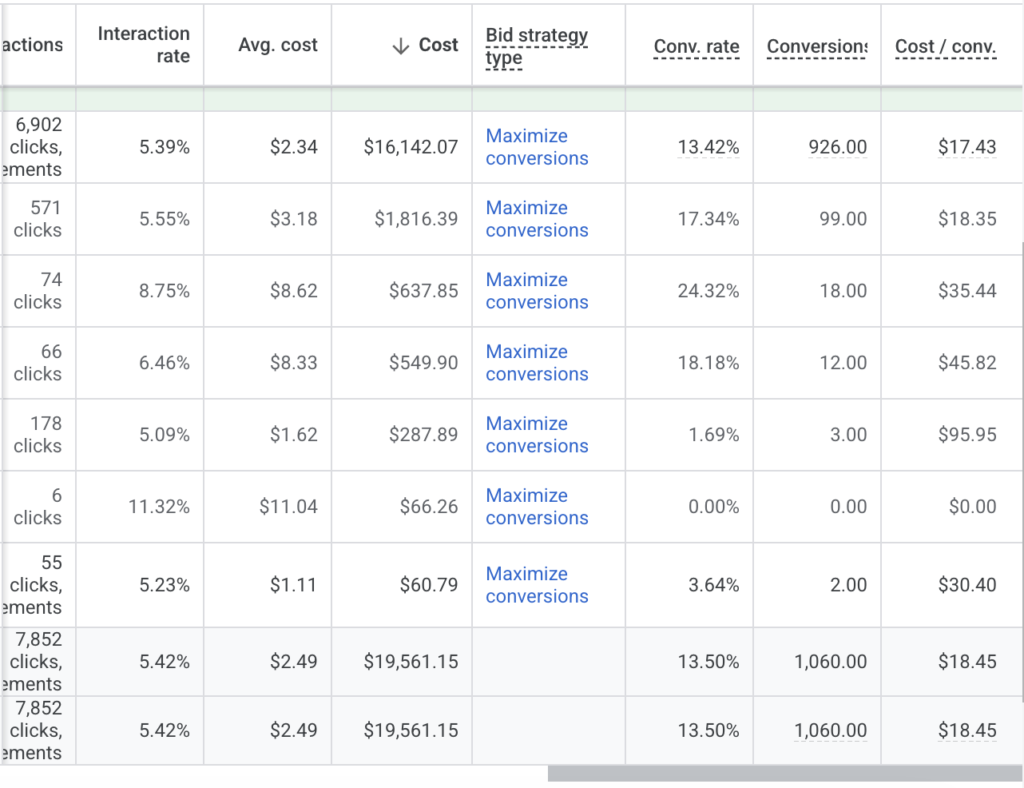
Here’s a breakdown of real performance data:
Core Metrics
- Total Ad Spend: $17,000
- Total Leads Generated: 960+
- Average Cost Per Lead (CPL): $18
- Total Clicks: 7,116
- Average Cost Per Click (CPC): $2.50
Lead & Revenue Breakdown
To simplify the economics:
- $100 Ad Spend → ~5 Leads
- 5 Leads → ~2 Conversions
- Average Job Value: $200 – $250
Revenue Example
- 2 Jobs × $200 = $400 Revenue
- Ad Spend = $100
👉 Return: 4X ROAS (Return on Ad Spend)
Why This Works (Locksmith Market Insight)
This niche behaves differently from traditional services:
- Searches are urgent and emotional
- Users are ready to pay immediately
- Decision-making time is less than a minute
That’s why:
Even a small improvement in targeting = massive ROI impact
Consistency Over 6 Months
This wasn’t a short-term spike.
- Campaigns have been running for 6+ months
- Results remained stable and predictable
- Lead quality stayed high-intent and conversion-ready
Spanish Campaign Expansion
We identified an opportunity in the Spanish-speaking market.
Current Performance:
- Cost Per Lead: ~$34
- Higher than English campaigns (initial phase)
Why It Matters:
- Less competition in certain segments
- Strong purchasing power
- High potential for cost reduction with optimization over time
What Made This Campaign Successful
1. Intent-Based Targeting
We focused only on bottom-of-funnel keywords that convert fast.
2. Call-Driven Funnel
Instead of forms, we optimized for direct phone calls, which increased conversions.
3. Tight Budget Control
Even at $70/day, we achieved strong scalability.
4. Continuous Optimization
Negative keywords added regularly
Bid adjustments based on performance
Location refinement
5. Market Understanding
We aligned campaigns with real customer behavior in emergencies.
SEO + Google Ads = Dominance
While this case study focuses on Google Ads, the real impact came from combining it with SEO:
- Strong Google Maps visibility
- Paid ads capturing instant demand
- Organic traffic building long-term authority
👉 Result: Full search dominance in the local market
Final Results Snapshot
- ✅ 960+ Leads Generated
- ✅ $18 Average CPL
- ✅ $2.50 CPC
- ✅ 7,116 Clicks
- ✅ $17,000 Total Spend
- ✅ ~4X Return on Ad Spend
Conclusion
This campaign proves one thing clearly:
In high-intent local services like locksmith, Google Ads is not an expense—it’s a revenue engine.
With the right targeting, structure, and optimization:
- You don’t need a huge budget
- You don’t need years to scale
- You just need the right strategy